
When you click on a sponsoring school or program advertised on our site, or fill out a form to request information from a sponsoring school, we may earn a commission. View our advertising disclosure for more details.
“Forensic psychologists work in all areas of the law (e.g., criminal, civil, and family law) and help judges, juries, attorneys, law enforcement, and others by applying psychological knowledge and techniques in various ways.”
Kristine M. Jacquin, PhD, Dean of Curriculum and Innovation, Professor of Psychology, Fielding Graduate University
As television shows such as Criminal Minds surge onto America’s TV networks, viewers seem less interested in “whodunnit” and more focused on “why’d they do it?” If it’s true that art reflects reality, the field of criminal justice could continue to expand beyond prosecution and include deeper dimensions of the motives behind why a crime was committed. Forensic psychology is the field that straddles the disciplines of criminal justice and psychology—a specialized study of the human mind as it relates to legal matters.
Forensic psychology uses principles of general psychology to draw conclusions in legal cases. A forensic psychologist works with attorneys, victims, witnesses, and suspects in prosecution and defense. Although they are not law enforcement officers, forensic psychologists are often key witnesses in legal cases involving serious crimes, ranging from murder to battery, and use their knowledge of psychology as it relates to criminal justice to assess the validity of testimonies given by suspects or crime victims. Forensic psychologists also assess psychological readiness for transitional programs such as parole, background checks, child custody, and pre-courtroom proceedings.
The occupational outlook is promising for those with career interests in psychology and criminal justice. Data from the Bureau of Labor Statistics (BLS 2025) shows that professions in psychology are growing at a rate of 6 percent between 2024 and 2034, which is faster than the national average (3 percent). The BLS estimates that 11,800 new psychology positions will be needed between 2024 and 2034.
A doctoral degree such as a PhD or a PsyD is required to become a practicing forensic psychologist. Licensing requirements for psychologists vary by state, but many states require psychologists to pass the Examination for Professional Practice in Psychology (EPPP) given by the Association of State and Provincial Psychology Boards (ASPPB). Forensic psychologists are also recommended to earn board certification in forensic psychology by the American Board of Professional Psychology (ABPP).
Read on to learn more about online doctoral programs in forensic psychology.
| Featured Doctoral Programs in Psychology | ||
|---|---|---|
| Arizona State University | Behavioral Health - Clinical (DBH) | |
| Walden University | PhD - Clinical Psychology | |
| Walden University | PhD - Criminal Justice: Behavioral Sciences | |
| Walden University | PhD - Forensic Psychology | |
| Walden University | PhD - Forensic Psychology (BS Entry) | |
| Walden University | PsyD - Behavioral Health Leadership | |
| sponsored × When you click on a sponsoring school or program advertised on our site, or fill out a form to request information from a sponsoring school, we may earn a commission. View our advertising disclosure for more details. |
||
Meet the Expert: Kristine M. Jacquin, PhD
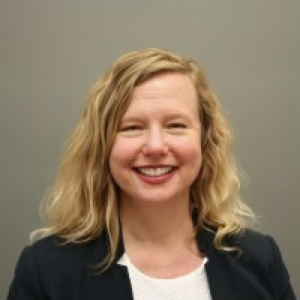
Dr. Kristine M. Jacquin is the dean of curriculum and innovation and a professor of psychology at Fielding Graduate University. She leads the development and implementation of innovative academic programs, ensuring the curriculum aligns with emerging trends in psychology, adult learning, and the needs of diverse learners.
Dr. Jacquin draws on extensive experience in instructional design, research methodology, and online education to support both faculty and students. With a focus on integrating technology, evidence-based practices, and inclusive pedagogy, she helps maintain Fielding’s reputation for rigorous, relevant, and forward-thinking psychological education.
ForensicsColleges.com: What is something you wish the public understood about forensic psychologists?
Dr. Jacquin: It is helpful for the public to know that forensic psychologists are a type of psychologist who applies psychological knowledge and techniques to the law and/or to help the legal system.
Forensic psychologists work in all areas of the law (e.g., criminal, civil, and family law) and help judges, juries, attorneys, law enforcement, and others by applying psychological knowledge and techniques in various ways. Forensic psychologists are sometimes confused with forensic scientists or pathologists, but those are other types of professionals. Before practicing, forensic psychologists must earn a doctorate (e.g., PhD or PsyD) in psychology. Most forensic psychologists are licensed clinical psychologists.
ForensicsColleges.com: What advice would you give to aspiring forensic psychologists?
Dr. Jacquin: Aspiring forensic psychologists would benefit from learning about all aspects of psychology (not only forensic psychology) and conducting research in one or more research labs run by a psychology professor with a PhD in psychology (they do not have to specialize in forensic psychology).
Taking these steps is necessary to gain admission to a psychology doctoral program, which is an important step in becoming a forensic psychologist.
Online Forensic Psychology PhD Degree Programs
Most online forensic psychology degrees are offered as bachelor’s and master’s degrees or certificate programs. ForensicsColleges keeps a detailed list of schools featuring online forensic psychology degrees and certificate programs.
As of October 2025, only one school, Walden University, offers an online PhD program specifically in forensic psychology. However, it’s worth noting that a common pathway to becoming a forensic psychologist is earning a bachelor’s, master’s, or certificate program in forensic psychology and later earning a doctorate degree in general psychology.
Walden University has two PhD tracks: one for students with a master’s degree in forensic psychology and one for students with a master’s in an unrelated discipline. These tracks support a variety of career pathways.
Fielding University is another university that offers a closely related online program. It offers an online doctoral program in clinical psychology with a concentration option in forensic psychology.
A list of online doctoral and master’s and certificate programs in forensic psychology is featured below.
Forensic PhD vs. Forensic PsyD
There are two main types of doctoral programs in forensic psychology: the PhD and the PsyD. While these programs have some overlap in their areas of instruction, they also have some important differences.
PhD programs in forensic psychology are considered terminal research degrees. They prepare graduates to conduct in-depth studies of specialized subfields of their discipline. These programs generally take longer than PsyD programs.
PsyD programs in forensic psychology are more clinically focused, preparing holders to practice psychology in various settings. These degrees are more hands-on in nature, focusing on the practice of the discipline rather than advancing its theoretical underpinnings.
Forensic Psychology PhD Admission Requirements
While admissions requirements vary for each institution, here is a list of common items requested when applying for forensic psychology PhD programs:
- Completed application
- Application fee
- Official transcripts detailing coursework in psychology, criminal justice, or related courses
- Certificate in forensic psychology (if applicable)
- Resume or CV of employment and educational history
- Essay or statement of purpose
- List of educational or professional references
- Letters of recommendation
- Criminal background check
- In-person or online interview
- English proficiency test scores, such as TOEFL or IELTS, for international students
Featured Online PhD Programs in Forensic Psychology
Offering the only online PhD program specifically in forensic psychology, Walden University features a fast-track option allowing students to waive up to six courses or 53 credits from a master’s degree in forensic psychology. Students in this program have several specialization options: general, criminal justice self-designed, crisis leadership management, crisis response, legal issues in forensic psychology, self-designed studies, and victimology. However, as of this writing, only two of these specialization options (general and self-designed) are accepting new students.
Once admitted, students in this program are sorted into two tracks: Track I is for students with a master’s degree in forensic psychology, and Track II is designed for master’s degree holders from disciplines other than forensic psychology. Walden University is committed to supporting students with families and offers support services to balance work and school responsibilities. With multiple start dates offered throughout the year, aspiring forensic psychologists can begin their PhD program at a time that’s convenient for their schedules.
The curriculum includes courses on the intersection of crime, psychology, and the law, understanding violence, risk, and threat assessment, advanced issues in forensic psychology, quantitative reasoning and analysis, legal issues and social change in forensic psychology, advanced quantitative reasoning and analysis, and abnormal behavior.
- Location: Minneapolis, MN
- Accreditation: Higher Learning Commission (HLC)
- Expected Time to Completion: Four to eight years
Fielding University offers a doctoral program in clinical psychology that the American Psychological Association accredits. This program blends digital formats with in-person learning opportunities. It includes in-person and online seminars, weeklong residential sessions, meetings with other students and faculty members, and clinical training and research experiences. In addition to the generalist option, students can also specialize in some of the most exciting growth areas of psychology, such as forensic psychology.
The program’s core courses, which total 179 credits, include history and systems of psychology, cognitive and affective bases of behavior, biological bases of behavior, psychopathology, research in psychotherapy, and multicultural psychology. Courses in the forensic psychology concentration include ethics in forensic psychology, forensic psychology, forensic psychology lab, malingering and deception, and forensic neuropsychology assessment.
- Location: Santa Barbara, CA
- Accreditation: Western Association of Schools and Colleges (WASC), American Psychological Association
- Expected Time to Completion: Five to six years
Alliant International University
Alliant International University offers an online PhD program in psychology, public policy, and law designed for private and public safety and health professionals with a master’s degree who wish to enhance their knowledge and skills and advance their careers or consultancies. The program provides a global dive into the psychology of violence and the laws related to it in social services, criminal justice systems, security, and more.
Notably, this PhD program is offered online with two intensive weekend residencies and incorporates technology to create a rich learning environment outside of the classroom.
The several concentrations offered in this 60-credit program include forensic linguistics, disaster planning and management, conflict resolution and peace studies, criminal behavior, and pragmatic situational awareness.
- Location: Alhambra, CA
- Accreditation: WASC Senior College and University Commission (WSCUC)
- Expected Time to Completion: Two and three years
Liberty University offers a fully online 60-credit PhD program in psychology that prepares graduates for careers in academia or research. Optional face-to-face intensive courses take place on campus and are designed to bring students and faculty together to enhance their professional networking and research skills. Students in this program will have several specializations to choose from: general psychology, behavioral health leadership, theology, social psychology, industrial/organizational psychology, and developmental psychology.
This faith-based curriculum aims to weave a biblical perspective into their scientific and clinical courses and emphasizes human value and techniques and theories related to psychology. Tuition discounts are available for current and former military service members and their spouses.
The curriculum includes courses such as research methods and statistics, foundations of doctoral study in psychology, psychological research and biblical worldview, teaching of psychology, and qualitative research and analysis.
- Location: Lynchburg, VA
- Accreditation: Southern Association of Colleges and Schools Commission on Colleges (SACSCOC)
- Expected Time to Completion: Three to four years
Northcentral University offers a 60-credit online PhD program in psychology. Students have ten unique specializations to choose from: substance-related and addictive disorders, the psychology of gender and sexual fluidity, general psychology, gerontology, health psychology, industrial-organizational psychology, social policy and behavioral health administration, trauma and disaster relief, sport and performance psychology, and counseling psychology (with or without a California licensure track).
With an emphasis on experiential learning through case studies and real-life situations, this program demands that students use critical thinking skills to evaluate real-world problems and practice research methods to advance the field of psychology. New courses begin every Monday.
- Location: San Diego, CA
- Accreditation: WASC Senior College and University Commission (WSCUC)
- Expected Time to Completion: Three to four years
Other Online Forensic Psychology Programs to Consider
University of North Dakota (MA in Forensic Psychology)
The University of North Dakota offers an online master of arts in forensic psychology. Consistently ranked as one of the best degree programs in the US for educational quality, affordability, and career outcomes, this 30-credit part-time program serves as a foundational and practical pathway for aspiring forensic psychologists pursuing doctoral programs.
With two application deadlines, students can begin this two-year program at their convenience and learn psychological theories, knowledge, skills, and competencies in psychology as they apply to criminal justice systems.
The curriculum includes courses such as cognitive psychology, eyewitness testimony memory, diversity psychology, readings in psychology, behavior pathology, psychology and law, research methods in forensic psychology, advanced social psychology, and supervised fieldwork.
- Location: Grand Forks, ND
- Accreditation: Higher Learning Commission (HLC)
- Expected Time to Completion: Two years
Common Courses & Requirements for Forensic Psychology Programs
Every forensic psychology program has its own unique curriculum and admission requirements. Here’s a list of standard courses and requirements:
Common Courses for Forensic Psychology Programs
- Advanced issues in forensic psychology
- Advanced social psychology
- Behavior pathology
- Criminal forensic assessment
- Disaster, crisis, and trauma
- Expert testimony
- Forensic psychology in criminal proceedings
- Police psychology
- Psychology and law
- Theories of interpersonal and familial violence
- Victimology
Credit Requirements for Forensic Psychology Programs
- Foundational courses (3-6 credits)
- Advanced coursework (24-30 credits)
- Research methods (9-12 credits)
- Specialization courses (12-15 credits)
- Dissertation writing (3-6 credits)
- Residencies, internships, clinical practicums (timelines vary)
Online Forensic Psychology PhD Residencies, Internships, or Practicums
In addition to coursework, PhD programs in psychology require around 600 in-person supervised clinical and research hours.
Online programs can generally be completed at approved sites within a student’s home community, although some programs require regular in-person training immersions or intensives.
Students are encouraged to contact the coordinators of their program of interest for more information, as procedures vary by institution.
Forensic Psychology Programmatic & Institutional Accreditation
Students researching degree programs are encouraged to validate institutional quality by ensuring that the schools and programs they choose are accredited at the national, regional, or programmatic level.
Verifying accreditation is important for several reasons. First, it validates that a college or university meets high-quality educational and teaching standards. Graduates, employers, and forensic psychology patients benefit from accreditation, and students who use federal loans to fund their education can only attend accredited schools. Lastly, fields such as psychology may require that graduates show proof of programmatic or institutional accreditation to be eligible for licensure exams.
Programmatic Accreditation
The Forensic Science Education Programs Accreditation Commission (FEPAC) is the leading accreditation organization for forensic science programs. While FEPAC accredits forensics programs in the natural sciences, the American Psychological Association (APA) accredits doctoral psychology programs.
While there are currently no online forensic psychology doctoral programs that are FEPAC- or APA-accredited, Fielding University does have an online PhD in clinical psychology with a concentration in forensic psychology. Moreover, since the University of North Dakota has two in-person APA-accredited PhD programs in clinical and counseling psychology, it can be presumed that there is some overlap in the high-quality coursework and teaching faculty in UND’s master’s in forensic psychology program listed above.
Institutional Accreditation
If programmatic accreditation isn’t available, reputable programs, including the ones listed above, hold institutional accreditation. Six institutional accreditation agencies are responsible for accrediting educational institutions throughout the United States. These organizations are recognized by the US Department of Education’s Council of Higher Education Accreditation (CHEA). The six institutional accreditation organizations are:
- Accrediting Commission for Community and Junior Colleges (ACCJC) Western Association of Schools and Colleges
- Higher Learning Commission (HLC)
- New England Commission of Higher Education (NECHE)
- Northwest Commission on Colleges and Universities (NWCCU)
- Southern Association of Colleges and Schools Commission on Colleges (SACSCOC)
- WASC Senior College and University Commission (WSCUC)

Kimmy Gustafson
WriterKimmy Gustafson’s expertise and passion for investigative storytelling extends to the world of forensics, where she brings a wealth of knowledge and captivating narratives to readers seeking insights into this intriguing world. She has interviewed experts on little-known topics, such as how climate crimes are investigated and prosecuted, and has written for ForensicsColleges.com since 2019.
Kimmy has been a freelance writer for more than a decade, writing hundreds of articles on a wide variety of topics such as startups, nonprofits, healthcare, kiteboarding, the outdoors, and higher education. She is passionate about seeing the world and has traveled to over 27 countries. She holds a bachelor’s degree in journalism from the University of Oregon. When not working, she can be found outdoors, parenting, kiteboarding, or cooking.