
The Latest

Online Cybersecurity and Digital Forensics Degrees – Ranked By Affordability (2027)
Nearly every crime now leaves a digital trail. Phones, laptops, cloud accounts, and networks hold the evidence investigators need, and cybersecurity and digital forensics professionals find it, preserve it, and defend the systems where it lives.
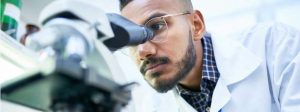
Textile Forensics: How Small Clues Can Crack a Case
Forensic scientists are a bold breed. Who else could, when asked to determine the makeup and origins of a single stray thread, accept the task with zeal? Welcome to the world of textile forensics, which analyzes fibers and fabrics found at crime scenes. Identifying those fibers and fabrics, and tracing them back to their origins, can, in turn, link them with suspects, victims, and locations. Entire investigations might hinge upon analyzing a sample thinner than a strand of human hair.

Interdisciplinary Forensics: A Multifaceted Approach to Programs and Careers
Forensic science used to mean a lab coat and a microscope. Today it increasingly means DNA analysts working alongside forensic psychologists, digital examiners, anthropologists, and lawyers, all reading the same case from different angles.
Forensic Science Programs
Computer Forensics
Crime and Intelligence Analysis
Crime Scene Investigation
Criminal Justice
Criminal Profiler
Cybersecurity
DNA Analyst
Emergency Management
Forensic Accounting
Forensic Anthropology
Forensic Biology
Forensic Chemistry
Forensic Engineering
Forensic Medicine
Forensic Nursing
Forensic Pathology
Forensic Photography
Forensic Psychology
Forensic Science
Forensic Tech
Forensic Toxicology
Mobile Forensics
Paralegal
Pathologists’ Assistant
Online Programs
Many accredited forensic science programs are now offered online, providing flexible options for working professionals and those with family commitments to study at their own pace.

Careers in Forensic Science
With an education in forensics and training in a lab environment, some of the job possibilities for these graduates include becoming a forensic scientist, crime scene investigator, digital forensics examiner, certified fraud examiner, forensic nurse practitioner, or criminal profiler, among others. Check out our career guides to learn in-depth about the typical education and credentialing across each of these fields.
Arson Investigator
Certified Fraud Examiner
Computer Forensics Examiner
Crime and Intelligence Analyst
Crime Scene Investigator
Criminalist
Cryptanalyst
DNA Analyst
Forensic Accountant
Forensic Anthropologist
Forensic Auditor
Forensic Autopsy Technician
Forensic Ballistics Expert
Forensic Biologist
Forensic Chemist
Forensic Dentistry & Odontology
Forensic Document Examiner
Forensic Engineer
Forensic Entomologist
Forensic Genealogist
Forensic Investigator
Forensic Medical Examiner
Forensic Nurse
Forensic Nurse Examiner
Forensic Nurse Practitioner
Forensic Pathologist
Forensic Psychiatrist
Forensic Psychologist
Forensic Scientist
Forensic Sketch Artist
Forensic Technician
Forensic Toxicologist
Information Security Analyst
Law Enforcement Officer
Legal Nurse Consultant
Paralegal
Pathologists’ Assistant
Penetration Tester (or Pen Tester)
Featured Schools
Southern New Hampshire University
BA in Psychology – Forensic Psychology
Stevenson University Online
Online Master's in Crime Scene Investigation
Stevenson University Online
Online Master of Forensic Science (MFS)